Bartonella

An Overlooked Co-Infection
Bartonella is best known for causing cat scratch disease but it can also be acquired thru tick bites, leading to bartonellosis.
Bartonella Cat Scratch
Bartonella Tick Bite

Understanding Bartonella

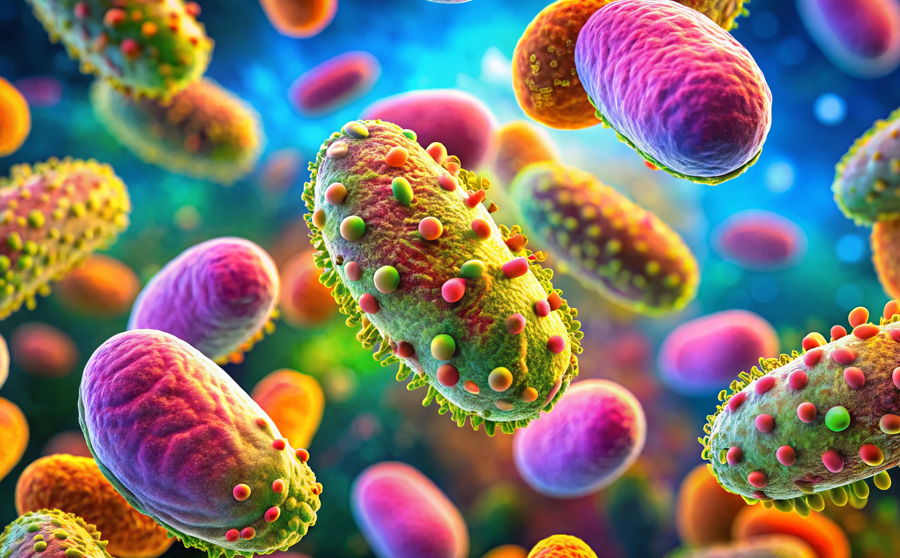
Bartonella is a type of bacteria that can infect both humans and animals, leading to a group of illnesses known as bartonellosis. The bacterium can live inside red blood cells and the lining of blood vessels, allowing it to evade the immune system and making the infection difficult to fully eliminate. This may explain why some patients struggle with chronic Bartonella symptoms or relapse, even after treatment.

Bartonella is best known for causing cat scratch disease (sometimes called Cat Scratch Fever), but this is only one form of illness linked to the bacteria. There are at least 37 distinct species of Bartonella ─ several of which can cause diseases in humans. While some cases may produce only mild Bartonella symptoms that resolve on their own, others can lead to serious complications if not recognized and treated.

How Is Bartonella Spread?

Bartonella is most often spread to people through scratches or bites from cats. However, insects such as fleas and body lice can also transmit the bacteria. And, in certain regions of South America, sandflies are responsible for spreading it, as well. There have also been reports of Bartonella transmission following bites or scratches from wild animals, including groundhogs, squirrels, and coyotes.

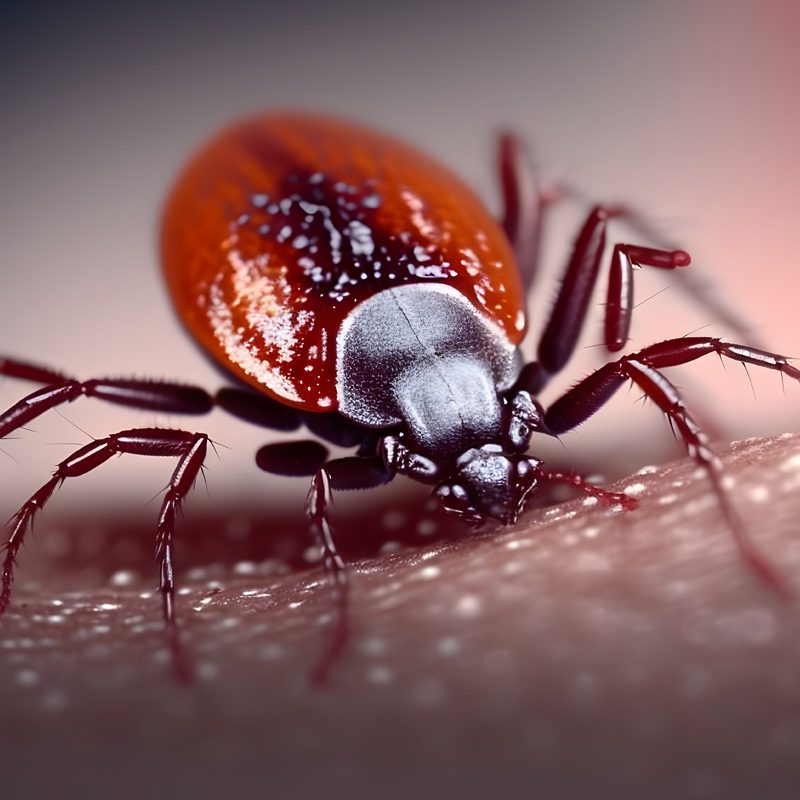
And, increasing evidence suggests that ticks may transmit Bartonella to humans. Bartonella DNA have been found in the blacklegged tick (Ixodes scapularis) and western blacklegged tick (Ixodes pacificus.)

Additionally, cases have been reported in which individuals developed the infection following a tick bite despite having no contact with cats, and laboratory studies have confirmed that ticks are able to pass Bartonella to mice.

Bartonella may also be transmitted through contaminated blood transfusions. And, one study found the bacteria can pass from a mother to her unborn child (perinatal transmission), although further research is needed to fully understand how often this occurs.

Types of Bartonella

Scientists have identified more than 37 species of Bartonella, but only a few are known to cause illness in humans. The three most recognized are Bartonella henselae, Bartonella quintana, and Bartonella bacilliformis. Because each species affects the body in different ways, the treatment approach can vary depending on which bacteria is involved and which organs or systems are impacted.

Bartonella henselae – Cat Scratch Disease

The most common human infection is caused by Bartonella henselae, the bacteria responsible for cat scratch disease. This infection is usually spread through the scratch or bite of a cat, often a kitten, or by exposure to infected fleas.

Bartonella quintana – Trench Fever

Another well-known species is Bartonella quintana, which causes trench fever. Historically, this illness affected soldiers during World War I who were exposed to body lice. Today, it is still seen in populations where body lice infestations are more common, including people experiencing homelessness or living in crowded conditions.


Bartonella bacilliformis – Carrión’s Disease

In certain regions of South America, Bartonella bacilliformis is responsible for Carrión’s disease, a serious and sometimes life-threatening illness spread by sandflies. This disease has two distinct phases: an acute phase, marked by severe fever and anemia as red blood cells are destroyed, and a later phase with skin eruptions known as verruga peruana.

Research suggests that other Bartonella species may also cause human disease. These include Bartonella elizabethae, which has been linked to heart infections such as endocarditis, and Bartonella vinsonii, which has been associated with both heart and neurological problems.

As new information emerges, it is becoming increasingly clear that bartonellosis is more complex than once believed, and that many Bartonella species may be capable of causing illness in people.

Note: The information presented on this page has been reviewed and approved by a member of our Medical Leadership Board.

Want to learn more?
Get the free Lyme Basics Guide

Take the first step towards understanding tick-borne disease with an exclusive guide to something here, all backed by world-leading science.

More Lyme Basics

Subscribe to our newsletter